Are you feeling inspired to pick up a needle and thread, but find yourself wondering, what is the difference between cross stitch and embroidery? If you’re browsing the craft aisle or scrolling through stunning textile art online, the terminology can be confusing. Many beginners ask: is cross stitch and embroidery the same thing? The short answer is no. While both are beautiful needlework techniques used to decorate fabric, they use completely different methods, stitches, and fabrics to achieve their unique looks. In this guide, we’ll explore the key difference between embroidery and cross stitch, helping you decide which craft is right for you (and even how you can turn these hand crafts into professional digital designs).
Understanding the Basics: Hand Embroidery vs Cross Stitch
To understand the relation between cross stitch and embroidery, you need to look at the broader category of needlecrafts. Embroidery is an umbrella term—an age-old art form encompassing any technique that uses a needle to apply thread or yarn to decorate fabric.
Cross stitch is simply one specific type of embroidery. All cross stitch is embroidery, but not all embroidery is cross stitch.
Let’s break down how is cross stitch different from embroidery in practice.
Precision is key. You follow a specific chart to create “X” patterns on Aida cloth. It’s methodical, relaxing, and perfect for beginners who love geometric detail.
Total creative freedom. “Paint” with your needle using dozens of stitch types on any fabric. Ideal for fluid designs, floral patterns, and custom apparel logos.
What is Cross Stitch?
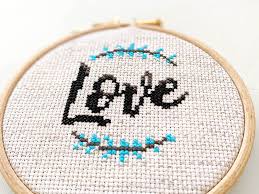
Cross stitch—specifically known as counted cross stitch—is widely considered the “beginner’s gateway” to needlework. It is highly structured, methodical, and easy to learn.
Rather than drawing a design freely on fabric, cross stitch relies on a printed grid pattern. Think of it as “pixel art” or “painting by numbers” with thread. You follow a chart and recreate the image by making tiny X-shaped stitches corresponding to different colors.
Essential Characteristics:
Fabric: Always done on an even-weave fabric with visible holes, most commonly Aida cloth. This structured fabric guides the needle and ensures every “X” is exactly the same size.
Techniques: Focuses heavily on full cross stitches, half stitches for shading, and back stitches to outline the final piece.
Look: Distinctive, slightly pixelated, and highly uniform.
(Note: If you enjoy working on a grid, you might also be interested in exploring the differences in our guide: Cross Stitch vs Needlepoint: What’s the Real Difference?)
What You'll Need: Cross Stitch Starter Supplies
Ready to try counted cross stitch? Here's what most beginners start with:
The standard even-weave fabric for beginner-friendly counted cross stitch.
🛒 Buy on AmazonA large multi-color floss pack, the industry-standard thread for cross stitch.
🛒 Buy on AmazonAn all-in-one kit with fabric, floss, needle, and pattern included.
🛒 Buy on AmazonWhat is Traditional Embroidery?
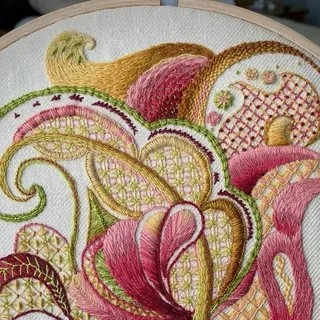
Unlike the rigid structure of cross stitch, traditional embroidery (often called surface embroidery) gives you complete artistic freedom. Instead of counting holes on a grid, you transfer a design directly onto a piece of fabric and “paint” it in using a wide variety of stitches.
Essential Characteristics:
Fabric: It is not restricted to a grid. You can embroider on almost anything—cotton, linen, silk, denim, or even leather.
Techniques: Utilizes dozens of different stitches. A single project might use the satin stitch for smooth filling, chain stitch for decorative outlines, and French knots to add 3D texture.
Look: Fluid, highly detailed, and textured. It resembles a continuous hand-drawn illustration.
What You'll Need: Traditional Embroidery Starter Supplies
Ready to start painting with thread? These are the four essentials every surface embroidery beginner needs to get stitching on any fabric they choose:
Top-rated 2026 kit with pre-printed floral patterns, 4K video tutorials, magnetic needle minder, bamboo hoop, and gold-plated needles. Best all-in-one starter for surface embroidery.
🚚 Buy on AmazonTraditional embroidery works on any fabric, so you need a good hoop. Smooth splinter-free beechwood with brass screws keeps your cotton, linen, or silk taut and damage-free.
🚚 Buy on AmazonThe same industry-standard thread used for satin stitch, chain stitch, French knots, and every other traditional surface technique. Rich color range, colourfast, and easy to separate into strands.
🚚 Buy on AmazonUnlike cross stitch, traditional embroidery starts by transferring a design onto fabric. Print or draw your pattern onto this adhesive film, stick it on any fabric, stitch over it, then dissolve it away in water. No tracing required.
🚚 Buy on AmazonCross Stitch vs Embroidery: At a Glance
Here is a quick comparison table to help you spot the difference between cross stitch and embroidery immediately:
| Feature | Cross Stitch | Traditional Embroidery |
|---|---|---|
| Structure | Grid-based (X-shaped stitches) | Freeform (curved lines, various shapes) |
| Fabric Type | Even-weave (like Aida cloth) | Any woven fabric (cotton, linen, denim) |
| Learning Curve | Very beginner-friendly | Moderate (requires learning multiple stitches) |
| Design Style | Pixelated, uniform, geometric | Fluid, illustrated, highly textured |
| Tools Needed | Chart/Pattern, blunt tapestry needle | Transfer pen, sharp embroidery needle |
Is Cross Stitch Easier Than Embroidery?
One of the most common questions from beginners is: is cross stitch easier than embroidery? Generally, yes. Counted cross stitch vs embroidery comes down to following instructions versus freehand artistry. Because cross stitch relies on a chart and pre-punched holes in the fabric, you don’t need to worry about stitch length, tension, or choosing the “right” stitch for a shape.
Embroidery requires more practice to master the tension and the sheer variety of stitches. However, embroidery is often faster to execute than a complex, full-coverage cross stitch piece.
Digital Embroidery vs Cross Stitch: Scaling Up
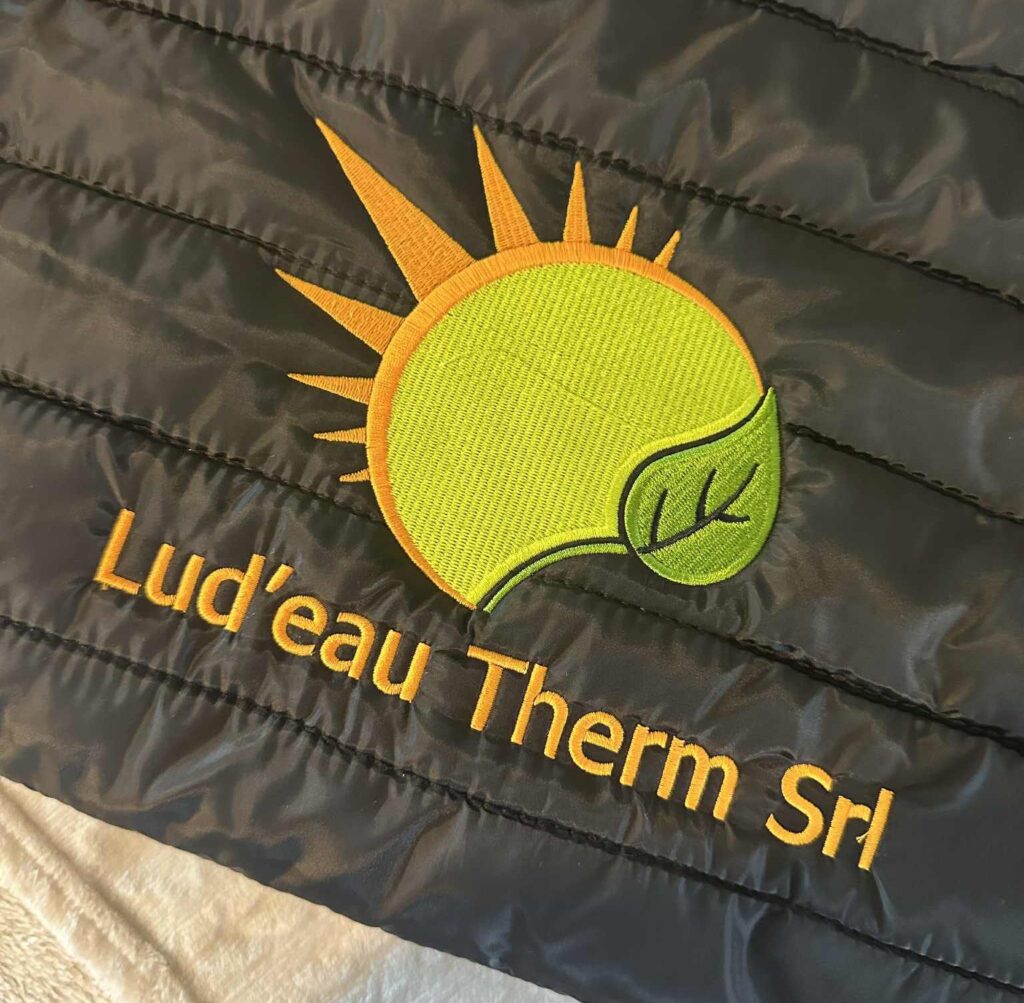
While hand embroidery and cross stitch are incredibly relaxing and rewarding hobbies, many crafters eventually want to scale their designs, monetize their artwork, or create custom apparel for a business. This is where digital embroidery comes in.
If you are looking to take a hand-drawn embroidery design, a business logo, or even a cross-stitch pattern and put it onto 100 hats or polo shirts, you can’t do it by hand. You must transition to machine embroidery.
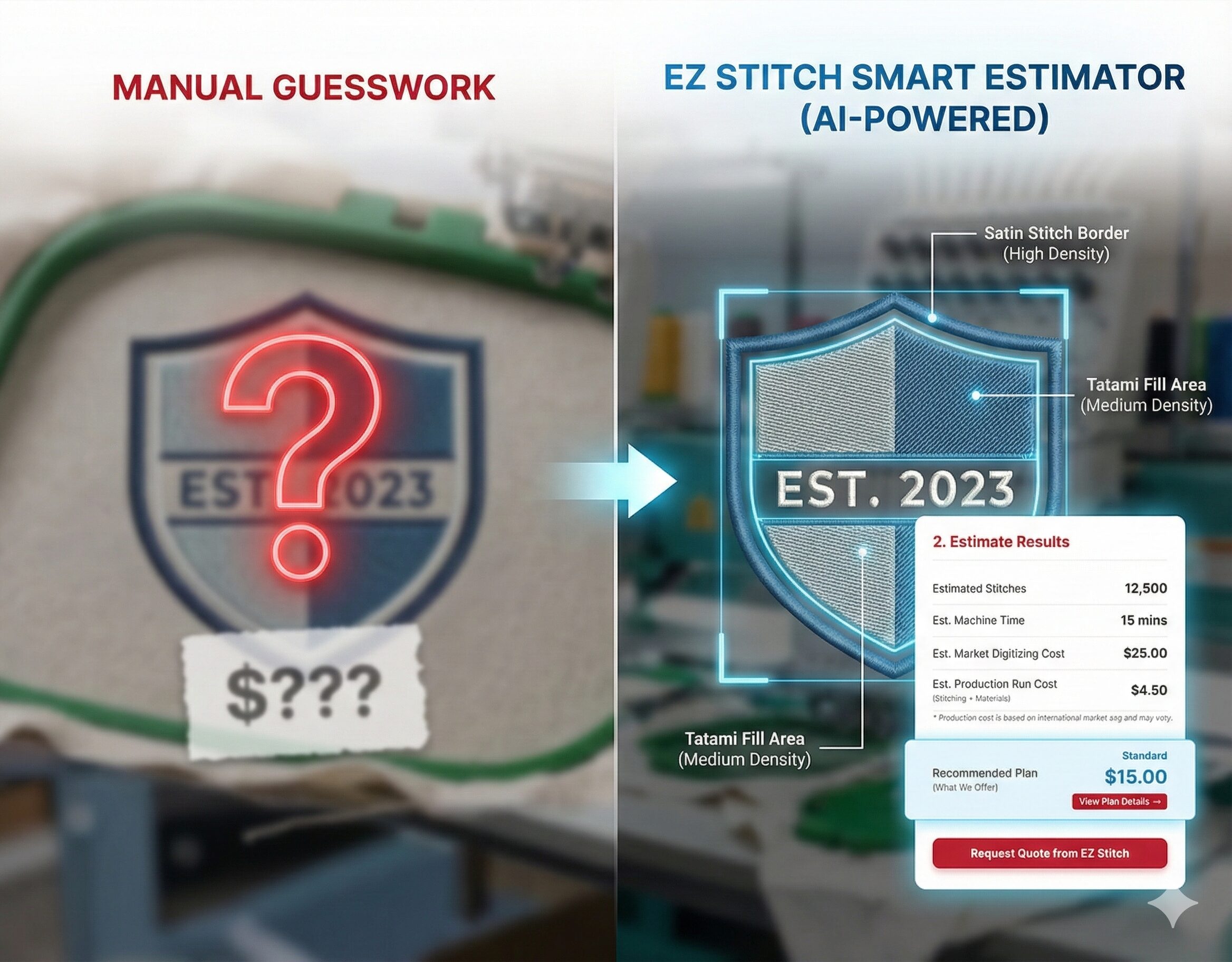
To do this, your artwork must go through a process called embroidery digitizing—converting an image into a specialized, stitch-ready file that an embroidery machine can read.
Pro Tip: If you are transitioning from hand crafts to machine embroidery and want to inspect a digitized file before sending it to the machine, you can use our Online DST Viewer – Open, Audit & Analyze Tajima Embroidery (DST) Files.
Frequently Asked Questions (FAQs)
Ready to Turn Your Design Into Thread?
Whether you are scaling up from hand crafts to a small apparel business, or you need crisp, high-quality files for your printing company, EZ Stitch Digitizing is here to help. We help crafters and brands bring their ideas to life with professional digitizing and vectorizing services.
Professional Digitizing Services If your design needs professional conversion, we can help with:
Custom embroidery digitizing
Vector artwork conversion for embroidery
📧 Email: info@ezstitchdigitizing.com
📘 Facebook: https://facebook.com/EZStitchDigitizing1
👉 Get a Quote: https://ezstitchdigitizing.com/embriodery-digitizing-quotation-form/