Applique embroidery is a decorative embroidery technique where fabric pieces are placed onto a base fabric and stitched around the edges to form designs. Instead of filling large areas with stitches, applique uses fabric for coverage, reducing stitch count while adding texture and dimension. It is widely used in apparel, logos, home décor, and commercial embroidery because it is efficient, durable, and visually appealing.
What Is Applique Embroidery?
Answer:
Applique embroidery is a method of embroidery where fabric shapes are applied to a base material and secured with decorative stitching. This technique replaces large stitched areas with fabric, reducing thread usage while adding layered texture and bold visual impact to embroidery designs.
Applique is commonly used for large lettering, logos, and patches because it improves durability and reduces production time.
How Does Applique Embroidery Work?
Answer:
Applique embroidery works by placing pre-cut fabric pieces onto a base fabric and stitching around their edges to hold them in place. The embroidery machine follows a programmed stitch path to secure and finish the applique shape.
Typical machine applique steps:
Stitch placement outline
Position fabric over outline
Tack-down stitch
Trim excess fabric
Satin or zigzag finishing stitch
This process ensures clean edges and strong attachment.
Types of Applique Embroidery
There are four main types of applique embroidery: needle-turn applique, machine applique, reverse applique, and fusible applique. Each method differs in technique, speed, and application.
Needle-Turn Applique
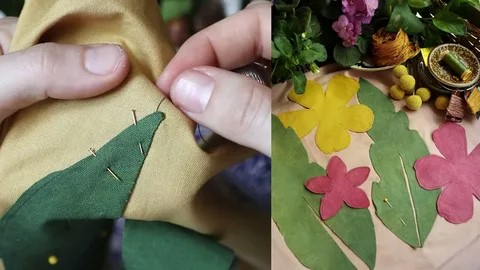
A traditional hand-sewn method where fabric edges are turned under using a needle before stitching. It is slow but produces delicate, handcrafted results.
Machine Applique
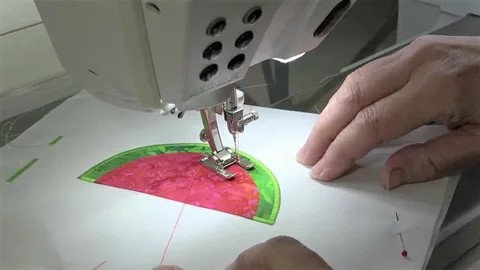
Uses an embroidery machine to secure fabric pieces with programmed stitches. It is fast, precise, and ideal for commercial embroidery.
Reverse Applique
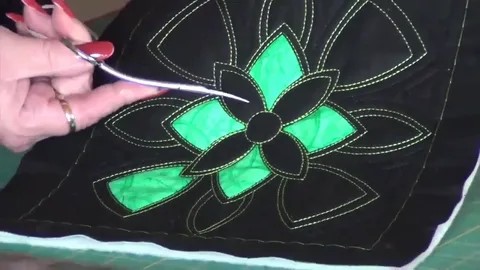
Involves layering fabric underneath the base material and cutting away the top layer to reveal the lower fabric, then stitching the edges.
Fusible Applique
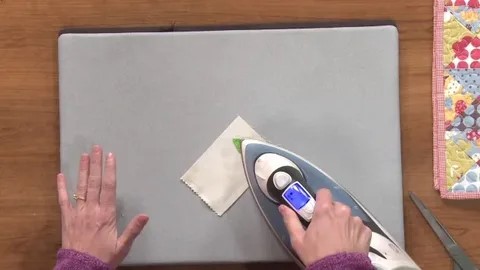
Uses heat-activated adhesive to bond fabric pieces before stitching. It is popular for quick projects and clean designs.
Benefits of Applique Embroidery
Applique embroidery reduces stitch count, saves production time, and adds texture and dimension to designs, making it ideal for large logos and decorative patterns.
Key advantages include:
Lower thread usage
Faster production
Bold visual appearance
Strong fabric durability
Creative design flexibility
It is especially useful for commercial embroidery and bulk production.
Common Mistakes in Applique Embroidery
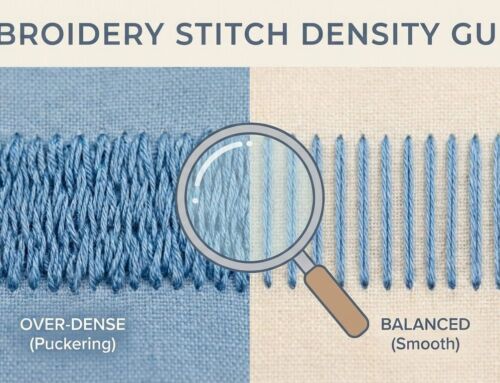
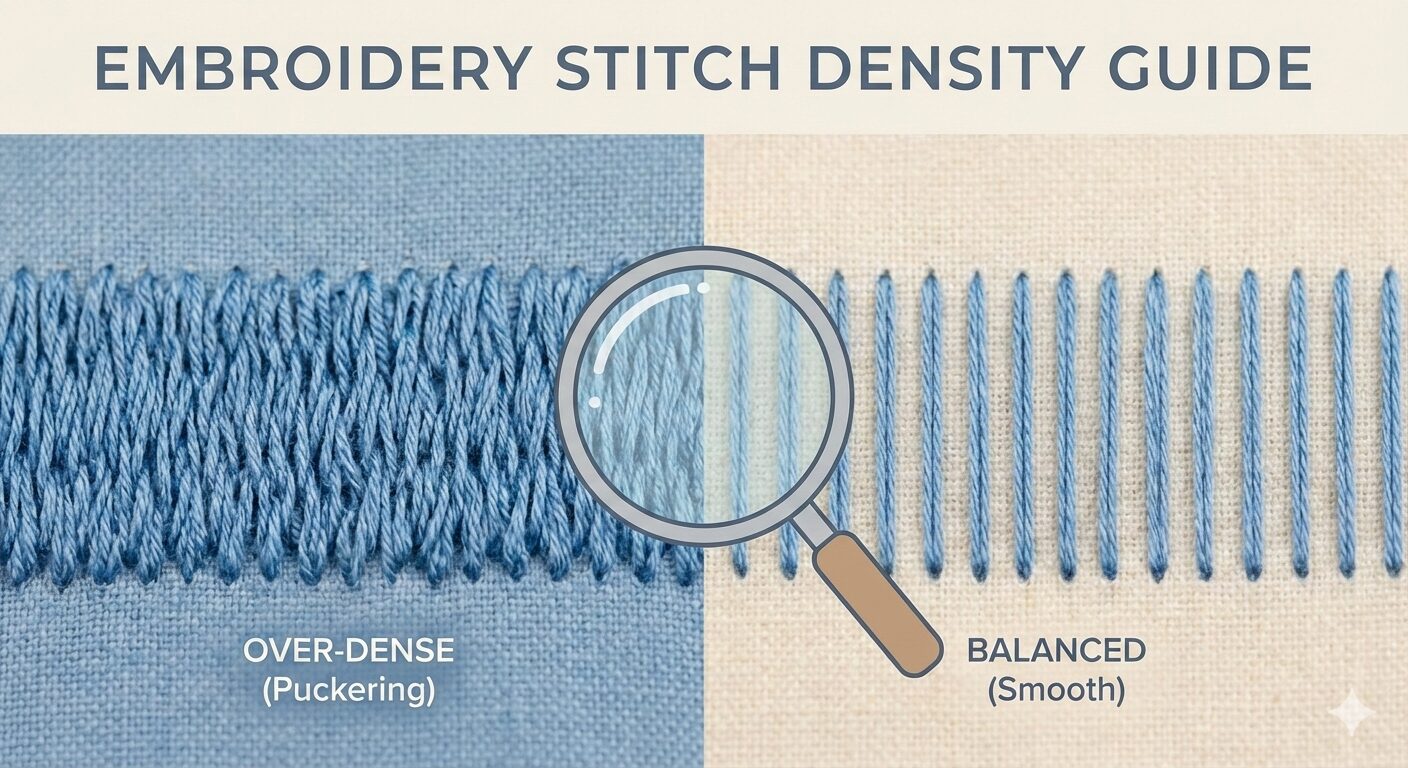
Common mistakes include improper fabric trimming, incorrect stitch density, and using the wrong stabilizer, which can cause puckering or fraying.
Typical errors:
Skipping tack-down stitches
Poor fabric selection
Incorrect stitch width
No stabilizer support
Uneven trimming
Professional digitizing avoids these issues by controlling stitch paths and edge finishes.
Best Fabrics for Applique Embroidery
Cotton, twill, felt, and denim are the best fabrics for applique embroidery because they hold shape and resist fraying during stitching.
Avoid overly stretchy or slippery fabrics unless stabilized properly. Fabric choice directly affects stitch quality and durability.
Applications of Applique Embroidery
Applique embroidery is used across apparel, accessories, and home décor because it provides bold designs with lower stitch counts.
Common uses include:
T-shirts and hoodies
Hats and caps
Towels and bags
Quilts and pillows
Team uniforms
Corporate logos
It is popular for both personal crafts and commercial branding.
Tools and Materials Needed
Applique embroidery requires fabric, embroidery thread, stabilizer, adhesive material, and an embroidery machine or hand-sewing tools.
Essentials include:
Base fabric
Applique fabric
Embroidery thread
Stabilizer
Fusible webbing
Fabric scissors
Embroidery machine
Proper tools ensure clean edges and long-lasting results.
Applique Embroidery vs Regular Embroidery
Applique embroidery uses fabric pieces to fill areas, while regular embroidery uses stitches only. Applique reduces stitch count and adds texture, while regular embroidery offers fine detail control.
Applique is better for large designs; regular embroidery is better for small, detailed elements.
When to Use Professional Applique Digitizing
Answer:
Professional applique digitizing is best for logos, commercial garments, and bulk embroidery because it ensures accurate placement lines, clean borders, and correct stitch sequencing.
For business branding, professional digitizing avoids thread breaks, uneven edges, and wasted materials.
Order professional embroidery digitizing here:
👉 https://ezstitchdigitizing.com/embroidery-digitizing-order-form/
View pricing plans:
👉 https://ezstitchdigitizing.com/price-plan/
Why Choose EZ Stitch Digitizing for Applique?
Professional digitizing delivers better stitch control, cleaner edges, and reliable results across different fabrics and machines.
At EZ Stitch Digitizing, every applique design is manually digitized to ensure:
Correct stitch order
Proper density
Clean edge finishes
Machine compatibility
📧 Email: info@ezstitchdigitizing.com
Facebook:
👉 https://www.facebook.com/EZStitchDigitizing1