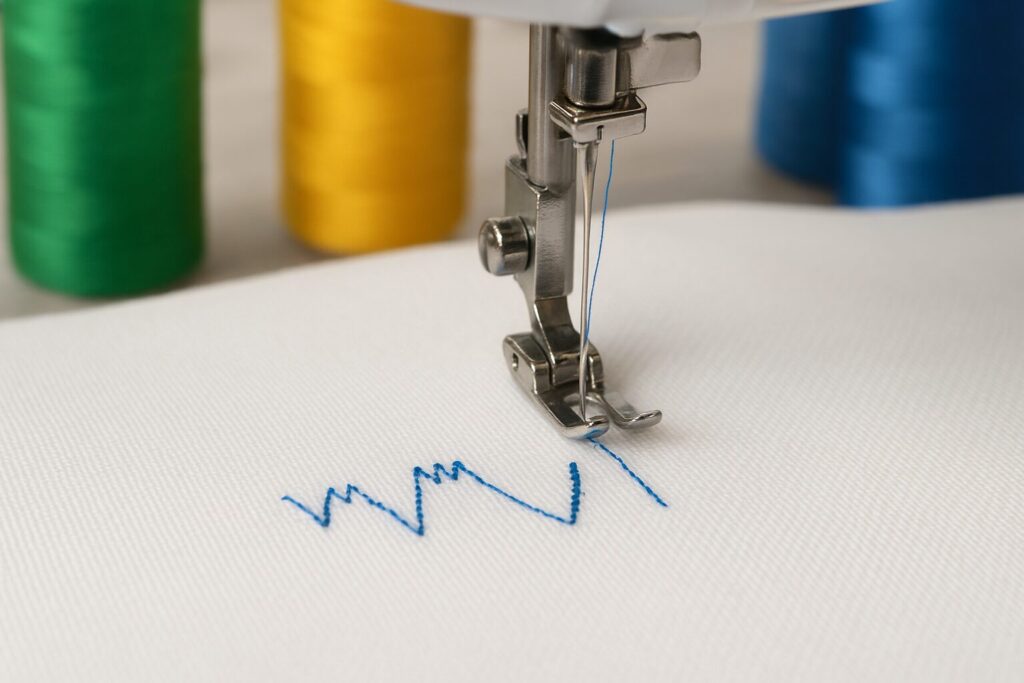
Skipped lower stitches can frustrate even the most experienced embroiderers and sewists. Whether you’re stitching a simple seam or running an intricate embroidery design, those missing stitches can ruin the finish and waste valuable time.
The good news? Most skipped stitches have simple causes that you can troubleshoot quickly. Based on years of embroidery digitizing and client feedback, we’ve put together the top reasons why skipped lower stitches happen — and how to fix them.
1. Improper Threading
The number one culprit behind skipped lower stitches is incorrect threading. If the thread is not passing through the guides, tension discs, or needle eye correctly, the stitch cannot form properly. Always rethread your machine slowly, following the manual step by step. Don’t forget to check the bobbin threading as well.
2. Poor Clamping or Flagging
If the fabric isn’t held firmly in place, the needle may deflect during stitching, leading to gaps or missed stitches. Make sure your hooping is tight, stabilizer is suitable for the fabric, and presser foot pressure is adjusted correctly.
3. Worn or Bent Needle
A dull or bent needle can’t catch the bobbin thread cleanly, causing skipped lower stitches. As a rule of thumb, replace your needle after every 6–8 hours of sewing or embroidery, or sooner if you’re working with dense materials.
4. Incorrect Needle Size
Using the wrong size needle for your thread and fabric combination is a recipe for stitch problems. For example, thick fabric with a fine needle may prevent proper loop formation. Match your needle size to both the fabric weight and thread thickness.
5. Wrong Needle Type
Ballpoint needles are ideal for knits, while sharp or microtex needles work better for wovens. Using the wrong type can lead to skipped stitches, thread breaks, or fabric damage. Always choose the correct needle for your fabric type.
6. Insufficient Lubrication
Dry or dusty machines can cause friction that interferes with stitch formation. Regular cleaning and oiling (as recommended by your machine’s manual) can keep everything running smoothly and prevent skipped lower stitches.
7. Wrong Thread Selection
Not all threads are created equal. Using embroidery thread in place of standard sewing thread, or vice versa, can cause problems. Always choose high-quality thread designed for your machine and the type of project you’re working on.
8. Poor Quality Thread
Cheap thread often frays, knots, or breaks, which increases the risk of stitch skips. Investing in trusted brands can save you hours of frustration — and deliver cleaner results.
9. Needle and Thread Mismatch
If your thread weight doesn’t suit your needle size, you’ll see skipped stitches or uneven tension. For example, a heavy thread with a small-eye needle causes drag, while a fine thread in a large needle eye won’t catch properly.
10. Worn Machine Parts
Over time, thread guides, eyelets, or bobbin cases can develop burrs that snag thread and cause stitch issues. If skipped lower stitches persist after you’ve checked everything else, it may be time for a professional service.
Conclusion
Skipped lower stitches can happen to anyone — from beginners to seasoned embroidery professionals. Fortunately, most issues come down to threading, needles, or thread quality. By keeping your machine clean, using the right tools, and paying attention to fabric and thread compatibility, you can eliminate most skipped stitch problems and keep your projects looking professional.
Need expert embroidery digitizing that stitches out clean every time? We make designs that minimize thread breaks and skipped stitches.
👉 Contact us at info@ezstitchdigitizing.com or message us directly on our Facebook page.
Frequently Asked Questions (FAQs)
1. Why does my machine keep skipping lower stitches?
Skipped lower stitches often happen due to improper threading, a bent needle, or incorrect thread tension. Rethread the machine, replace the needle, and check both top and bobbin tension for balance.
2. Can cheap thread cause skipped stitches?
Yes. Low-quality thread tends to fray and break, making it harder for the needle to form proper loops. Always use high-quality sewing or embroidery thread from trusted brands to reduce skipped stitch issues.
3. How often should I replace my needle to avoid skipped stitches?
For best results, replace your needle every 6–8 hours of active sewing or embroidery. If you notice skipped stitches, thread shredding, or fabric snags, replace the needle immediately.
4. Why does my fabric bunch up when stitches are skipped?
Fabric bunching is usually caused by poor hooping, loose stabilizer, or incorrect presser foot pressure. Ensuring proper fabric tension can help prevent skipped stitches and puckering.
5. What thread and needle combination works best for embroidery?
Typically, 40-weight polyester or rayon embroidery thread pairs best with a size 75/11 or 80/12 embroidery needle. Always adjust based on your fabric type and stitch density.
6. Do I need professional service if skipped stitches continue?
If basic fixes (threading, needle change, tension check) don’t solve the issue, worn machine parts may be to blame. In that case, professional servicing is recommended.